Gearbox Troubleshooting: 10 Warning Signs Your System Needs Attention
Gearbox Troubleshooting: 10 Warning Signs Your System Needs Attention
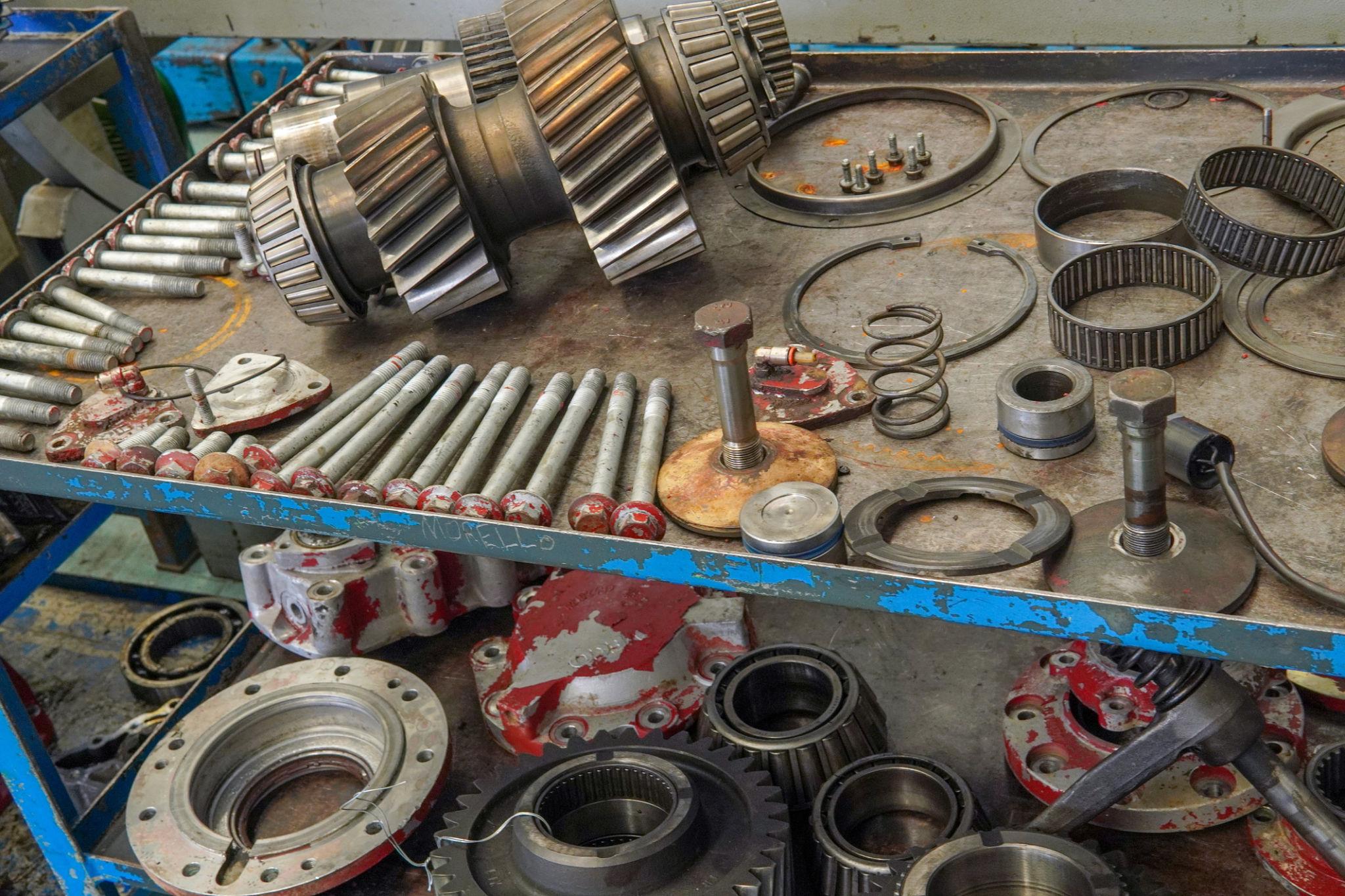
Industrial gearboxes play a critical role in manufacturing, automation, material handling, and power transmission. They regulate speed, multiply torque, and transfer mechanical power to keep equipment operating efficiently. When a gearbox begins to fail, recognizing the warning signs early can help prevent unexpected downtime, costly repairs, and damage to connected machinery.
Whether you manage a production line, maintain industrial equipment, or source replacement components for an OEM application, understanding common industrial gearbox problems is essential to keeping operations running smoothly.
In this guide, we'll cover 10 warning signs to watch for, practical gearbox troubleshooting tips, a maintenance checklist, and how to determine when individual components may need replacement.
Why gearbox troubleshooting matters
Gearboxes operate under repeated mechanical loads, friction, and heat. Over time, lubrication problems, misalignment, excessive loads, and normal wear can affect internal gears, bearings, shafts, and seals.
A minor issue, such as a loose mounting bolt or deteriorating seal, may be relatively simple to correct. However, ignoring early symptoms can allow damage to spread to other components.
Effective gearbox maintenance involves monitoring equipment performance, inspecting for unusual changes, following manufacturer recommendations, and addressing problems before they lead to a major failure.
10 warning signs your gearbox needs attention
1. Unusual noises
Grinding, knocking, clicking, whining, or rattling sounds can indicate a developing mechanical problem. A high-pitched whine may point to lubrication issues or gear contact problems, while grinding or knocking can indicate damaged bearings or worn gear teeth.
What to check: Verify lubricant levels, inspect accessible mounting hardware, and listen for changes in noise under different loads. Persistent grinding or knocking warrants prompt inspection.
2. Excessive vibration
New or increasing vibration may result from misaligned shafts, loose mounting hardware, damaged bearings, worn gears, or an unbalanced connected component.
What to check: Inspect the mounting arrangement after isolating the equipment, review alignment, and compare vibration readings with established operating baselines. Persistent vibration should be investigated before it damages other drive components.
3. Overheating
Excessive gearbox temperature can signal inadequate lubrication, overloading, restricted cooling, incorrect lubricant viscosity, or internal friction.
What to check: Review the oil level and specified lubricant, confirm the gearbox is operating within its rated load and duty cycle, and check ventilation. Compare temperature measurements with manufacturer limits and previous readings rather than relying on touch alone.
4. Lubricant leaks
Oil around shaft seals, gaskets, or housing joints may indicate a worn seal, damaged sealing surface, excessive lubricant, or a blocked breather. Continued leakage can lower the oil level and accelerate wear.
What to check: Identify the leak location, check the specified lubricant level, and inspect accessible seals and housing joints. Replace defective seals or gaskets when necessary, and investigate why the leak occurred.
5. Excessive backlash
Backlash is the clearance between mating gear teeth. Some clearance is necessary, but excessive backlash can cause clunking during direction changes, inconsistent positioning, or reduced motion accuracy.
What to check: Measure backlash using the manufacturer's specified procedure and tolerances. Worn gears, loose keys, bearing wear, or shaft movement may contribute to the problem.
6. Reduced output performance
If machinery runs slower than expected, struggles under normal loads, or fails to deliver consistent torque, the cause may be gearbox wear, excessive loading, incorrect ratios, coupling problems, or a motor or control issue.
What to check: Compare input speed, output speed, load, and operating conditions with the equipment specifications. Do not assume the gearbox is responsible until the motor and connected machinery have also been considered.
7. Visible gear wear or damaged teeth
Pitting, scoring, chipped teeth, unusual wear patterns, and metal particles in lubricant may indicate inadequate lubrication, contamination, misalignment, or excessive loading.
What to check: Arrange an internal inspection using the manufacturer's approved procedure. Significant tooth damage may require replacing the affected gear or a matched gear set.
8. Bearing problems
Worn bearings can produce rumbling, grinding, shaft play, vibration, and elevated temperatures. Continued operation may damage shafts, gear teeth, or bearing seats.
What to check: Look for abnormal shaft movement and review vibration or noise trends. If bearing damage is suspected, have a qualified technician inspect the assembly and determine whether replacement is needed.
9. Contaminated or deteriorating lubricant
Darkened oil, an unusual burnt smell, foaming, water contamination, or visible metal debris can indicate lubricant breakdown or internal wear. Color alone does not establish oil condition, so consider the manufacturer's guidance and oil analysis when appropriate.
What to check: Verify lubricant type, level, and service interval. Investigate contamination and replace lubricant according to the manufacturer's instructions. Metal debris warrants further inspection rather than simply changing the oil.
10. Repeated failures or increasing maintenance needs
Frequent seal replacements, recurring vibration, repeated overheating, or steadily worsening performance can indicate an unresolved root cause. Misalignment, incorrect sizing, excessive loads, or unsuitable operating conditions may cause replacement parts to fail prematurely.
What to check: Review maintenance records, installation alignment, duty cycle, loading, and component specifications. Address the underlying cause before installing replacement parts.
These symptoms can overlap, so treat them as diagnostic clues rather than definitive proof of a specific failure.
Gearbox troubleshooting checklist
Use this checklist as part of your preventive gearbox maintenance program. Always follow your equipment manufacturer's instructions and facility safety procedures.
Inspection checklist
o Record unusual noises, vibration, temperature changes, and performance issues.
o Check lubricant level, specified oil type, and visible signs of contamination.
o Inspect for leaks around seals, gaskets, and housing joints.
o Review accessible mounting hardware, shaft connections, and coupling alignment.
o Compare temperature and vibration readings with normal operating baselines.
o Check for abnormal backlash or shaft play using approved procedures.
o Review recent overloads, operating changes, and maintenance history.
o Document findings and schedule further inspection or replacement as needed.
Important: If you notice severe grinding, sudden vibration, rapidly rising temperatures, or significant lubricant loss, stop the equipment according to your facility's safety procedures and arrange an appropriate inspection. Never inspect moving machinery without proper isolation and lockout/tagout procedures.
When should individual gearbox components be replaced?
Not every gearbox problem requires replacing the entire assembly. In many cases, identifying and replacing the worn component can restore performance, provided the remaining components are in good condition.
|
Component |
Signs replacement may be necessary |
|
Gears or gear sets |
Chipped teeth, severe pitting, scoring, or wear beyond manufacturer limits |
|
Bearings |
Excessive play, confirmed damage, persistent grinding, or abnormal vibration |
|
Shaft seals and gaskets |
Persistent leakage, hardened or damaged sealing surfaces, or failed seals |
|
Shafts and keys |
Worn keyways, deformation, cracking, or excessive runout |
|
Couplings |
Cracked or worn elements, damaged hubs, or excessive play |
|
Gearbox housing |
Cracks, damaged bearing seats, or structural damage |
Before ordering replacement parts, verify the gearbox model, part number, gear ratio, dimensions, shaft specifications, material, and load requirements. Some gear sets must be replaced as matched pairs. Bearings, seals, and other parts must also be compatible with the specific gearbox design.
If damage is extensive, replacement of the complete gearbox may be more practical than rebuilding it. A qualified technician can help assess the condition and determine the most appropriate repair.
How A2Z Metric can help with gearbox repair parts
When troubleshooting identifies a worn gear, damaged coupling, or other power transmission issue, finding the correct replacement component is essential.
A2Z Metric is a family-owned supplier of metric and imperial power transmission, automation, and machine components. With more than 20 years of combined industry experience, A2Z Metric helps engineers, manufacturers, OEMs, and maintenance teams source standard, specialty, and hard-to-find components.
A2Z Metric also supports sourcing requirements for custom sizes, modified components, and specialty applications. Its website represents only part of its sourcing capabilities, so a component not listed online may still be available through a sourcing request.
a2zmetric.com+1
Can't find the component you need?
Don't let a difficult-to-source part delay your repair planning. Contact A2Z Metric to discuss your application and sourcing requirements.
- Website: www.a2zmetric.com
- Contact page: Request assistance from A2Z Metric
- Phone: 1-833-638-7422
- Email: [email protected]
For faster assistance, provide a part number, technical drawing, dimensions, photos, gearbox model, or application details whenever available.
Frequently asked questions
1. What are the most common industrial gearbox problems?
Common problems include unusual noise, excessive vibration, overheating, lubricant leaks, bearing wear, damaged gear teeth, excessive backlash, and reduced output performance. Regular inspection helps identify developing issues before they cause major equipment failures.
2. How often should a gearbox be inspected?
Inspection frequency depends on the gearbox design, operating environment, duty cycle, and manufacturer's recommendations. Critical or heavily loaded equipment may require more frequent monitoring. Follow the specified lubrication and service intervals, and investigate any sudden change in operating conditions.
3. Can a gearbox be repaired instead of replaced?
Yes. Depending on the design and extent of damage, individual gears, bearings, seals, shafts, or couplings may be replaceable. Extensive internal damage, cracked housings, or the cost of rebuilding an older unit may make complete replacement more practical.
4. What causes gearbox overheating?
Common causes include incorrect or insufficient lubricant, overfilling, excessive load, misalignment, restricted cooling, and internal friction. Check the manufacturer's operating limits and identify the underlying cause before returning equipment to service.
5. How do I find the correct gearbox replacement part?
Start with the equipment manufacturer, gearbox model, part number, and technical documentation. Confirm dimensions, gear specifications, material, shaft interfaces, and operating requirements. If the original part is difficult to locate, A2Z Metric may be able to help source a suitable component.
Keep your equipment running with proactive gearbox maintenance
Gearbox problems rarely improve when ignored. Recognizing unusual noise, vibration, overheating, lubricant leaks, excessive backlash, and declining performance can help maintenance teams identify issues earlier and make informed repair decisions.
A consistent troubleshooting process, accurate component identification, and a reliable sourcing partner can help reduce avoidable downtime and keep industrial machinery operating as intended.
Need help finding a replacement gear, coupling, or other mechanical component? Visit A2Z Metric to explore product categories or contact the team about your application.