Metric Spur Gears, how to Choose and Use the Correct One for Your Linear Motion Applications
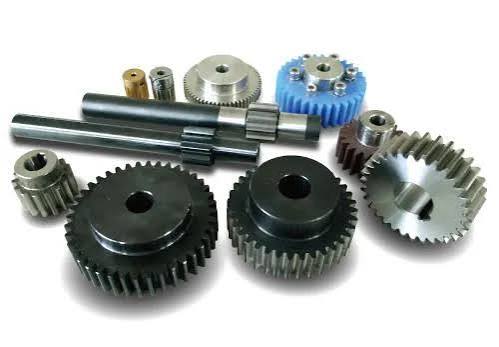
How to Choose and Use the Correct Metric Spur Gears for Your Linear Motion Applications
Linear motion systems are essential across modern manufacturing, automation, robotics, packaging, medical equipment, and CNC machinery. While ball screws and belt drives often receive the spotlight, metric spur gears remain one of the most reliable and cost-effective methods for converting rotary motion into precise linear movement when paired with a gear rack.
Selecting the right metric spur gear is about more than simply matching tooth counts. Factors such as module size, material, pressure angle, load capacity, speed, and application environment all play a critical role in ensuring smooth, accurate, and long-lasting performance.
At A2Z Metric Components, we supply high-quality metric spur gears designed to meet the demanding requirements of industrial linear motion systems. This guide explains how to choose the correct metric spur gear for your application and maximize its performance.
What Are Metric Spur Gears?
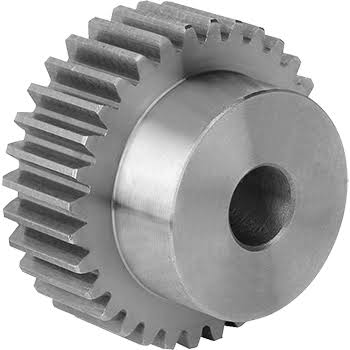
Metric spur gears are cylindrical gears with straight teeth cut parallel to the shaft. They are manufactured using metric standards, making them ideal for equipment designed around metric dimensions.
Unlike helical gears, spur gears offer:
- High efficiency
- Simple installation
- Precise positioning
- Lower manufacturing costs
- Easy maintenance
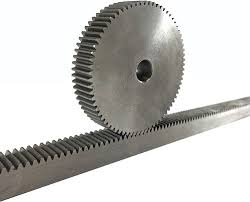
When a metric spur gear meshes with a gear rack, rotary motion from the motor is converted into smooth and accurate linear travel.
Why Spur Gears Are Popular for Linear Motion
Many engineers choose rack and pinion systems because they eliminate several limitations associated with screw-driven systems.
Some key advantages include:
Long Travel Distances
Unlike ball screws, rack and pinion systems can extend almost indefinitely without concerns over screw whip or deflection.
High Speed
Metric spur gears allow linear systems to operate at significantly higher travel speeds while maintaining consistent accuracy.
Excellent Load Capacity
Properly sized spur gears distribute force efficiently, making them suitable for heavy industrial applications.
Cost-Effective Design
Rack and pinion systems are often more affordable than long ball screw assemblies, especially on larger machines.
Easy Maintenance
Spur gears require relatively simple lubrication and periodic inspection, resulting in lower maintenance costs over time.
Factors to Consider When Choosing Metric Spur Gears
Choosing the right gear starts with understanding your application's operating conditions.
1. Module Size
Module is one of the most important specifications in any metric gear system.
A larger module provides:
- Higher strength
- Greater load capacity
- Improved durability
A smaller module offers:
- Higher positioning accuracy
- Smoother operation
- Better performance in compact equipment
The module of the spur gear must always match the module of the gear rack.
2. Number of Teeth
The tooth count affects several performance characteristics including:
- Speed
- Torque
- Gear diameter
- Resolution
More teeth generally produce smoother engagement, while fewer teeth increase torque but may reduce positioning precision.
3. Material Selection
Material selection has a major influence on service life.
Common options include:
Steel Spur Gears
Ideal for:
- Heavy machinery
- Industrial automation
- High-load systems
Benefits include excellent wear resistance and long operating life.
Stainless Steel Spur Gears
Suitable for:
- Food processing
- Pharmaceutical equipment
- Washdown environments
- Medical devices
They provide outstanding corrosion resistance.
Plastic Spur Gears
Often used in:
- Light-duty automation
- Laboratory equipment
- Quiet-running systems
Plastic gears reduce noise and require minimal lubrication.
4. Pressure Angle
Most metric spur gears use either:
- 20° pressure angle
- 14.5° pressure angle
Modern industrial machinery overwhelmingly uses 20° pressure angle because it provides:
- Higher strength
- Better load distribution
- Improved durability
Always match the pressure angle between mating gears and racks.
5. Bore Size
The bore must match the motor or gearbox shaft.
Consider:
- Plain bore
- Keyway
- Set screw
- Clamping hub
A properly fitted bore minimizes backlash while improving torque transmission.
6. Load Requirements
Calculate:
- Maximum operating load
- Shock loads
- Continuous duty cycle
- Acceleration forces
Selecting a gear with insufficient load capacity dramatically reduces service life.
7. Operating Speed
High-speed applications require attention to:
- Gear balance
- Lubrication
- Heat generation
- Noise levels
Proper lubrication becomes increasingly important as rotational speed increases.
Using Metric Spur Gears with Gear Racks
For linear motion applications, the spur gear acts as the pinion while the rack provides straight-line movement.
This arrangement is commonly used in:
- CNC routers
- Packaging machinery
- Laser cutting systems
- Material handling equipment
- Robotics
- Automated storage systems
- Pick-and-place machines
Correct alignment between the rack and pinion is essential for minimizing wear and maintaining accuracy.
Installation Best Practices
Even the highest-quality spur gear cannot compensate for poor installation.
Follow these best practices:
- Ensure proper shaft alignment.
- Match module and pressure angle exactly.
- Maintain correct center distance.
- Use appropriate lubrication.
- Check backlash during assembly.
- Secure all fasteners to the manufacturer's specifications.
- Inspect gear mesh before operation.
Proper installation significantly extends gear life.
Maintenance Tips
Routine maintenance helps prevent unexpected downtime.
Recommended maintenance includes:
- Regular lubrication
- Inspection for worn teeth
- Checking shaft alignment
- Monitoring backlash
- Removing debris from gear teeth
- Replacing damaged components before failure
Preventative maintenance can dramatically improve system reliability and reduce repair costs.
Common Mistakes to Avoid
Engineers frequently encounter issues caused by avoidable selection errors.
These include:
- Choosing the wrong module
- Mixing pressure angles
- Ignoring load calculations
- Using inadequate lubrication
- Poor shaft alignment
- Incorrect bore sizing
- Failing to inspect backlash
Avoiding these mistakes improves both performance and equipment lifespan.
Why Choose A2Z Metric Components?
At A2Z Metric Components, we understand that every linear motion application has unique performance requirements.
Our extensive range of metric spur gears offers:
- High-quality precision manufacturing
- Multiple module sizes
- Various bore configurations
- Steel and stainless steel options
- Fast availability
- Expert technical support
- Reliable industrial performance
Whether you're designing new automation equipment or replacing worn components, our team can help you select the ideal metric spur gear for your application.
Final Thoughts
Metric spur gears continue to be one of the most dependable solutions for linear motion systems. By carefully selecting the correct module, material, pressure angle, bore size, and load capacity, engineers can build highly efficient systems that deliver years of reliable operation.
Partnering with an experienced supplier like A2Z Metric Components ensures you receive precision-engineered gears backed by expert support, helping you improve machine performance while reducing maintenance costs and downtime.
If you're unsure which metric spur gear best suits your application, contact the A2Z Metric Components team for expert guidance and product recommendations.
Frequently Asked Questions
1. What are metric spur gears used for?
Metric spur gears transmit rotary motion and, when paired with a gear rack, convert it into accurate linear motion for industrial machinery, automation systems, and robotics.
2. How do I choose the correct module?
The module must match the gear rack exactly and should be selected based on the required load capacity, positioning accuracy, and available installation space.
3. What material is best for metric spur gears?
Steel is ideal for heavy-duty industrial applications, stainless steel is best for corrosive environments, and plastic is suitable for light-duty, low-noise applications.
4. Can spur gears be used for high-speed applications?
Yes. With proper lubrication, alignment, and correct sizing, metric spur gears perform exceptionally well in many high-speed linear motion systems.
5. How often should spur gears be maintained?
Maintenance intervals depend on operating conditions, but regular lubrication and routine inspections for wear, alignment, and backlash are recommended to maximize service life.