What Causes Gear Wear? 8 Common Causes and How to Prevent Them
What Causes Gear Wear? 8 Common Causes and How to Prevent Them
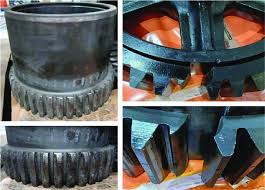
Gears are designed to transmit power, control speed, and transfer torque reliably across countless types of machinery. From industrial automation and manufacturing equipment to conveyors, robotics, and power transmission systems, gears often operate continuously under demanding conditions.
But even a properly designed gear will eventually experience wear. The bigger concern is premature gear wear—damage that occurs long before the expected service life of the component.
Understanding what causes gear wear is the first step toward preventing it. Lubrication problems, contamination, misalignment, excessive loads, and incorrect installation can all accelerate tooth damage and lead to costly equipment downtime.
Here are eight common causes of gear wear and practical ways to prevent them.
1. Insufficient or Incorrect Lubrication
Lubrication is one of the most important factors in gear life. Gear teeth constantly come into contact under load, creating friction and heat. Without adequate lubrication, that contact can cause excessive friction, scoring, scuffing, pitting, and accelerated surface wear.
Using the wrong lubricant can be just as problematic as using too little. The lubricant needs to be appropriate for the gear material, operating speed, temperature, load, and application.
How to prevent it
Follow the equipment or gear manufacturer's lubrication recommendations. Use the correct lubricant and maintain an appropriate lubrication schedule. During inspections, look for signs such as overheating, discoloration, unusual noise, or visible scoring on the teeth.
2. Contamination
Dirt, dust, metal particles, moisture, and other contaminants can significantly shorten gear life. Abrasive particles can become trapped between mating surfaces and act almost like grinding material, scratching and wearing the gear teeth.
Moisture can introduce another problem: corrosion. Once corrosion begins, the damaged surface can become more susceptible to additional wear and pitting.
How to prevent it
Keep gearboxes and lubrication systems clean and properly sealed. Inspect seals, covers, and breathers regularly. When servicing equipment, prevent dirt and debris from entering the housing or lubricant.
In particularly dirty environments, additional guarding or filtration may be necessary.
3. Misalignment
Gears need to mesh correctly across the intended contact area. Misaligned shafts, bearings, gearboxes, or mounting surfaces can cause the teeth to contact unevenly.
Instead of distributing the load across the tooth face, the force may become concentrated along one edge. This creates localized stress and can produce uneven wear, pitting, or tooth damage.
Misalignment can also create additional vibration and noise.
How to prevent it
Check shaft alignment during installation and maintenance. Inspect bearings and mounting surfaces for movement or damage. For rack-and-pinion systems, ensure the rack and pinion are correctly positioned and that the gear is properly aligned with the rack.
Correct installation is particularly important because even a high-quality gear can wear prematurely if it is installed incorrectly.
4. Excessive Load or Shock Loading
Every gear has a practical load capacity. Operating beyond that capacity puts excessive stress on the gear teeth and can result in bending fatigue, pitting, cracking, or broken teeth.
Shock loads can be particularly damaging. A machine may normally operate within its rated capacity but experience sudden loads during starts, stops, jams, collisions, or rapid acceleration.
How to prevent it
Select gears based on the actual operating conditions rather than simply matching physical dimensions. Consider continuous load, peak load, speed, acceleration, duty cycle, and potential shock loads.
If operating conditions have changed—for example, if a machine is now carrying heavier loads—reassess the gear selection rather than assuming the original gear remains suitable.
5. Incorrect Gear Mesh
The mating gears must have compatible geometry. Important specifications can include module, pressure angle, tooth count, pitch diameter, and other dimensional characteristics.
For example, metric gears need compatible tooth geometry to mesh properly. A mismatch can result in poor tooth engagement, excessive friction, vibration, noise, and accelerated wear. A2Z Metric notes that using the wrong module can contribute to premature tooth damage and reduced efficiency.
How to prevent it
Verify the complete gear specification before installation. Don't select a replacement based only on tooth count or outside diameter.
For metric gears, important information can include:
-
Module
-
Number of teeth
-
Pressure angle
-
Bore diameter
-
Outside diameter
-
Pitch diameter
-
Face width
-
Hub dimensions
-
Keyway requirements
-
Material
-
Heat treatment
When replacing an unknown gear, photographs, measurements, drawings, and application information can help identify the correct component.
6. Poor Installation
Installation errors can create problems that look like gear-quality issues but actually originate elsewhere.
Incorrect center distance, loose fasteners, improper shaft fits, excessive backlash, inadequate lubrication, or improper mounting can all affect gear performance.
A gear that is perfectly manufactured can still fail prematurely when installed in a system that doesn't meet the required specifications.
How to prevent it
Follow the manufacturer's installation requirements. Check shaft fits, center distances, backlash, alignment, fastener torque, and lubrication before putting the equipment into service.
After installation, listen for unusual noise and monitor vibration or temperature during initial operation.
7. Excessive Speed and Heat
Operating a gear above its intended speed can increase friction, heat generation, lubrication demands, and dynamic loads.
Heat can also affect lubricant performance and, depending on the gear material and application, contribute to reduced component life.
High-speed applications therefore require careful consideration of gear design, balance, lubrication, material, and operating conditions.
How to prevent it
Make sure the selected gear is appropriate for the machine's operating speed and duty cycle. Monitor temperature and vibration where practical, particularly on equipment operating continuously or at high speeds.
If machine speeds have been increased as part of an equipment upgrade, reevaluate the gear system rather than assuming the existing components can handle the change.
8. Lack of Preventive Maintenance
Gear wear often develops gradually. By the time a gear becomes noisy or visibly damaged, the underlying problem may have been present for some time.
Routine inspections can identify early signs of trouble, including unusual wear patterns, pitting, scoring, excessive backlash, tooth damage, vibration, or lubricant contamination.
How to prevent it
Establish a preventive maintenance program based on the machine's operating conditions. Regularly inspect gears, shafts, bearings, seals, lubrication, and surrounding components.
Importantly, don't simply replace a worn gear without investigating why it failed. If the underlying problem is misalignment, contamination, overload, or lubrication, the replacement gear may suffer the same fate.
How to Extend Gear Life
Preventing gear wear is ultimately about controlling the conditions surrounding the gear.
Start with the correct gear specification and make sure the component is properly sized for the application's load and speed. Install it correctly, maintain proper alignment, use appropriate lubrication, and keep contaminants away from the gear mesh.
Regular inspection is equally important. Gear wear patterns can provide clues about the underlying cause, helping maintenance teams address the problem before it develops into a major failure.
Need Replacement Gears? A2Z Metric Components Can Help
When a gear is worn or damaged, finding the correct replacement isn't always as simple as matching the number of teeth.
A2ZMetric.com supplies metric and imperial power-transmission and machine components, including spur gears, gear racks, and other gear components. The company also specializes in hard-to-find, obsolete, specialty, and application-specific components.
A2Z can help with both standard replacement requirements and more difficult sourcing projects. If the exact component isn't listed online, customers can provide a drawing, dimensions, part number, photographs, or application requirements so the team can help identify the appropriate component or develop a sourcing solution.
For example, A2Z offers metric spur gears in different configurations and materials, including steel and stainless-steel options, while custom bores, sizes, and modified components are also available.
This can be particularly useful when you're dealing with an obsolete machine, a damaged gear without a readable part number, or equipment that requires a specific metric component.
Instead of guessing at a replacement, gather as much information as possible—including tooth count, module, bore, dimensions, material, drawings, photographs, and application details—and provide it to the supplier.
Frequently Asked Questions
What is the most common cause of gear wear?
There isn't one universal cause. Lubrication problems, contamination, misalignment, excessive loading, improper gear mesh, and installation issues are all common contributors to premature gear wear.
How can I tell if a gear is wearing out?
Common warning signs include unusual noise, vibration, excessive backlash, pitting, scoring, discoloration, uneven tooth wear, and visible tooth damage. Changes in operating temperature can also indicate a developing problem.
Does lubrication prevent all gear wear?
No. Proper lubrication reduces friction and surface damage, but it cannot compensate for incorrect gear selection, misalignment, excessive loading, contamination, or improper installation.
How do I identify a replacement gear?
Start by collecting the part number if available. If there isn't one, gather the tooth count, module, pressure angle, bore, outside diameter, pitch diameter, face width, hub dimensions, material, and photographs. A drawing and information about the application can also be valuable.
Can A2Z Metric Components source hard-to-find gears?
Yes. A2Z Metric Components states that it specializes in hard-to-find, obsolete, specialty, and application-specific components and can work from drawings, dimensions, part numbers, photographs, or application requirements.
Can A2Z help with custom gears?
A2Z offers standard gears as well as custom and modified components. Its capabilities include custom bores, custom sizes, stainless components, and modified components.
Final Thoughts
Gear wear is often preventable. Proper lubrication, clean operating conditions, correct alignment, appropriate loading, compatible gear geometry, careful installation, controlled operating speeds, and regular maintenance can all contribute to longer gear life.
When replacement becomes necessary, choosing the correct gear is just as important as identifying the cause of the original failure. A2Z Metric Components can help source standard, specialty, obsolete, and application-specific gears based on the information available.
If you're trying to replace a worn gear, don't guess. Gather your measurements, photos, drawings, and application details and contact A2Z Metric Components to discuss the sourcing options for your machine.